

India's Leading DGFT Consultants
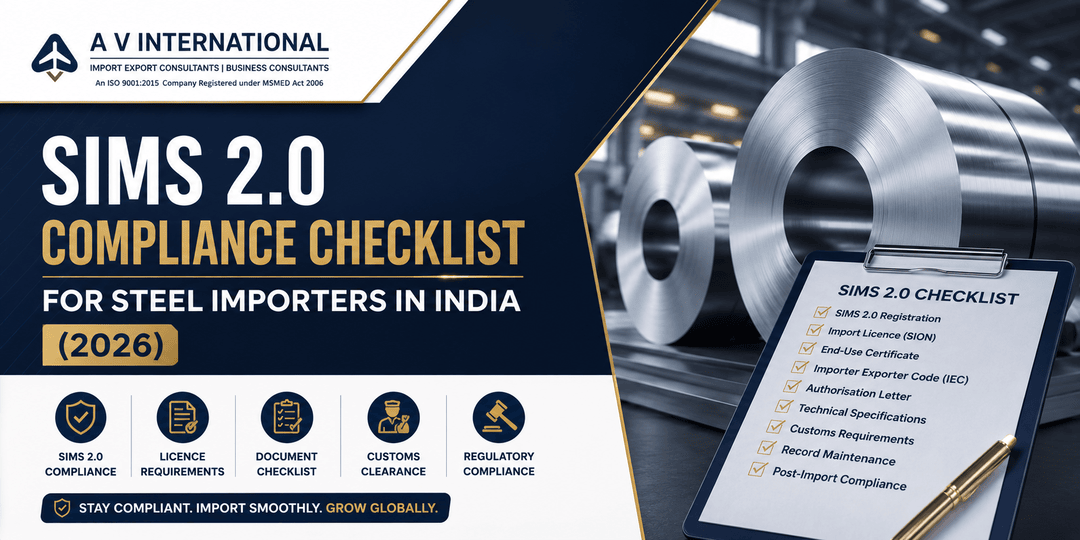
SIMS 2.0 Compliance Checklist for Steel Importers in India (2026)

SIMS 2.0 Compliance Checklist for Steel Importers in India (2026)

Key Takeaways

  • SIMS 2.0 is a mandatory online monitoring system for specified steel imports into India.
  • Importers must obtain a SIMS registration before filing customs clearance documents.
  • Accurate product classification and HS Code selection are critical for compliance.
  • Incorrect declarations can result in shipment delays, customs issues, and regulatory scrutiny.
  • Importers must maintain import records, invoices, and supporting documentation.
  • SIMS registration is generally required before the arrival of steel consignments.
  • Early compliance planning helps avoid disruptions and ensures smooth import operations in 2026.

Introduction

Many steel importers are aware that SIMS 2.0 compliance is mandatory for importing specified steel products into India. However, businesses often face challenges due to incorrect registrations, documentation errors, or delays in obtaining approvals.

Even minor mistakes in product classification, quantity declarations, or registration details can lead to customs clearance issues and shipment delays.

If your business imports steel products into India, understanding the SIMS 2.0 Compliance Checklist for Steel Importers in India (2026) is essential. This guide explains registration requirements, documentation, timelines, compliance obligations, common mistakes, and best practices for smooth imports.

What Is SIMS 2.0?

SIMS 2.0 (Steel Import Monitoring System) is an online monitoring mechanism introduced by the Directorate General of Foreign Trade (DGFT) for tracking imports of specified steel products into India.

Importers are required to obtain a SIMS registration before importing covered steel products.

The system helps authorities monitor steel imports and collect import-related data for policy and regulatory purposes.

Who Needs SIMS 2.0 Compliance?

The following entities are generally covered:

  • Steel Importers
  • Traders Importing Steel Products
  • Manufacturers Importing Steel Raw Materials
  • Industrial Users Importing Steel Products
  • Merchant Importers
  • Businesses Importing Notified Steel Items

Why Is SIMS 2.0 Compliance Important?

SIMS compliance ensures that steel imports are properly monitored and reported under DGFT regulations.

Without proper compliance, importers may face:

  • Customs clearance delays
  • Shipment holds
  • Regulatory scrutiny
  • Incorrect import declarations
  • Compliance violations
  • Operational disruptions

In 2026, digital monitoring and import compliance requirements are expected to remain a key focus area for regulators.

SIMS 2.0 Compliance Checklist for Steel Importers

Before importing steel products, ensure the following compliance requirements are completed.

Registration on the DGFT Portal

Importers must have access to the DGFT portal and maintain updated business credentials.

Valid IEC

A valid Import Export Code (IEC) is mandatory for SIMS registration.

Correct HS Code Classification

Ensure the imported steel product falls under the notified HS Codes covered by SIMS.

Product Description Verification

Verify product specifications and descriptions before filing the application.

Import Quantity Details

Maintain accurate quantity declarations for each shipment.

Supplier Information

Keep complete overseas supplier details available.

Port of Import Details

Identify the intended customs port before registration.

Documents Required for SIMS 2.0 Registration

Before applying, keep the following documents ready:

  • Import Export Code (IEC)
  • GST Registration Certificate
  • PAN Card
  • Import Purchase Order
  • Commercial Invoice
  • Product Specifications
  • Supplier Details
  • Business Address Proof
  • Authorization Documents (if applicable)

Important Tip

Ensure that the importer name, IEC details, and GST information match across all documents to avoid registration issues.

SIMS 2.0 Compliance Process in 2026

Step 1: Verify Product Coverage

Confirm whether the steel product falls under the notified SIMS categories.

Step 2: Login to DGFT Portal

Access the DGFT portal using valid importer credentials.

Step 3: Complete SIMS Application

Provide:

  • IEC Number
  • Product Details
  • HS Code
  • Quantity Information
  • Supplier Details
  • Port Information
Step 4: Upload Supporting Information

Submit all required details accurately as per DGFT requirements.

Step 5: Pay Applicable Fees

Complete payment of the prescribed registration fee.

Step 6: Generate Registration Number

Upon successful submission, a SIMS registration number is generated.

Step 7: Use Registration for Import Clearance

The registration details may be required during customs clearance procedures.

Common SIMS 2.0 Compliance Mistakes

Incorrect product classification and inaccurate declarations are among the most common causes of compliance issues.

1. Wrong HS Code Selection

Incorrect classification can result in registration errors and customs complications.

2. Inaccurate Product Description

Product descriptions must match invoices and import documentation.

3. Incorrect Quantity Declaration

Quantity mismatches may trigger verification concerns.

4. Delayed Registration

Late registration can affect shipment schedules and customs processing.

5. Incomplete Documentation

Missing information often causes application delays.

How to Verify SIMS 2.0 Compliance

Importers should:

  • Review HS Code classifications
  • Verify supplier documentation
  • Match invoice details with declarations
  • Confirm registration validity
  • Maintain shipment records

Regular compliance reviews help minimize import risks.

What Should You Do After SIMS Registration?

After obtaining SIMS registration:

  • Maintain registration records
  • Coordinate with customs brokers
  • Monitor shipment timelines
  • Preserve import documentation
  • Ensure consistency across customs filings

Proper recordkeeping supports future audits and compliance reviews.

Practical Compliance Tips for 2026
  • Apply for SIMS registration well before shipment arrival.
  • Verify HS Codes carefully.
  • Maintain complete supplier documentation.
  • Keep IEC and GST records updated.
  • Conduct periodic compliance reviews.
  • Coordinate with customs consultants when necessary.
  • Monitor DGFT notifications regularly.

Frequently Asked Questions (FAQs)

What is SIMS 2.0?

SIMS 2.0 is the Steel Import Monitoring System administered by DGFT for monitoring specified steel imports into India.

Is SIMS registration mandatory?

Yes, for notified steel products covered under the SIMS framework.

Who needs SIMS compliance?

Importers of specified steel products into India.

When should SIMS registration be obtained?

Registration should generally be completed before import clearance and shipment processing.

What documents are required for SIMS registration?

IEC, GST details, supplier information, product details, invoices, and related import documents.

What happens if SIMS compliance is ignored?

Importers may face customs delays, regulatory issues, and compliance complications.

Can customs brokers assist with SIMS registration?

Yes. Authorized consultants and customs professionals can assist with the registration process.

How often should importers review SIMS compliance?

Periodic reviews are recommended, especially before major import transactions.

Conclusion

Understanding the SIMS 2.0 Compliance Checklist for Steel Importers in India (2026) is essential for businesses involved in steel imports.

Proper registration, accurate documentation, correct HS Code classification, and timely compliance help prevent shipment delays and regulatory issues. By following the required procedures and maintaining complete records, importers can ensure smooth and compliant import operations.

Need Professional Help with SIMS 2.0 Compliance?

A V International has more than 35 years of experience in import-export licensing and compliance services in India.

Our team assists businesses with:

  • SIMS 2.0 Registration
  • DGFT Compliance
  • IEC Services
  • Import Documentation
  • Customs Compliance Support
  • Regulatory Advisory Services

Professional guidance can help your organization avoid compliance risks and manage steel import requirements efficiently.

Written By

Akash Bhangare

Having more than 10 years of experience in export-import compliance and regulatory approvals in India.

Associated with A V International, a company with over 35 years of expertise in licensing, compliance, and regulatory consulting services.

FeATURED ARTICLES