
India's Leading DGFT Consultants
How to Calculate Plastic EPR Liability Correctly in 2026

How to Calculate Plastic EPR Liability Correctly in 2026

Key Takeaways

  • Plastic EPR liability is the quantity of plastic packaging waste that producers, importers, and brand owners (PIBOs) must manage under CPCB regulations.
  • EPR targets are calculated based on the quantity of plastic packaging introduced into the Indian market.
  • Plastic packaging is categorized into four categories, and each category has separate compliance obligations.
  • Accurate sales, import, and packaging data are essential for correct EPR liability calculation.
  • Incorrect calculations may result in CPCB notices, application rejection, penalties, or compliance issues.
  • Recycling certificates and EPR credits must match the calculated liability to maintain compliance.
  • Early planning and periodic monitoring help businesses meet Plastic Waste Management Rules requirements in 2026.

Written By

Akash Bhangare
Having more than 10 years of experience in environmental and export-import compliance in India.
Associated with A V International, a company with over 35 years of expertise in regulatory registrations, EPR compliance, and business licensing services.


Introduction

Many businesses complete Plastic EPR registration but struggle when it comes to calculating their actual EPR liability. A small mistake in packaging data, category classification, or target calculation can lead to non-compliance, excess costs, or CPCB scrutiny.

If your business manufactures, imports, or sells products with plastic packaging in India, understanding how to calculate Plastic EPR liability correctly in 2026 is critical. This guide explains the latest CPCB methodology, category-wise calculations, formulas, examples, and practical compliance tips in a simple step-by-step format.


What Is Plastic EPR Liability?

Plastic EPR liability is the quantity of plastic packaging waste that a Producer, Importer, or Brand Owner (PIBO) is legally required to collect, recycle, process, or manage under India’s Plastic Waste Management Rules.

The liability is calculated based on the quantity and category of plastic packaging introduced into the market during a specified financial year.

Businesses must fulfill this liability through authorized recyclers and EPR credit mechanisms registered with CPCB.


Why Is Plastic EPR Liability Calculation Important?

Correct EPR liability calculation helps businesses:

  • Maintain CPCB compliance
  • Avoid notices and penalties
  • Purchase accurate EPR certificates
  • Plan recycling obligations effectively
  • Reduce compliance risks during audits
  • Submit accurate annual returns

In 2026, CPCB’s digital compliance monitoring system makes accurate liability reporting more important than ever.


Who Must Calculate Plastic EPR Liability?

Plastic EPR liability applies to:

  • Producers of plastic packaging
  • Importers of packaged goods
  • Brand Owners selling packaged products
  • Online marketplace operators (where applicable)
  • Businesses introducing plastic packaging into India

If your business places plastic packaging in the Indian market, EPR liability calculation is mandatory.


Categories of Plastic Packaging Under CPCB

Before calculating liability, businesses must identify the packaging category correctly.

Category I

Rigid Plastic Packaging

Examples:

  • Plastic bottles
  • Containers
  • Drums
  • Caps

Category II

Flexible Plastic Packaging

Examples:

  • Plastic pouches
  • Wrappers
  • Carry bags

Category III

Multi-Layered Plastic Packaging

Examples:

  • Chips packets
  • Food packaging laminates
  • Composite plastic packs

Category IV

Plastic Sheets and Compostable Plastics

Examples:

  • Plastic sheets
  • Compostable plastic packaging

Each category has separate reporting and compliance requirements.


How to Calculate Plastic EPR Liability in 2026

Step 1: Determine Total Plastic Packaging Introduced

Calculate the total plastic packaging supplied or imported into the Indian market during the financial year.

Include:

  • Domestic sales
  • Imports
  • Packaging used for finished products

Exclude:

  • Export packaging (where exemptions apply)
  • Returned or discarded stock as per applicable rules

Step 2: Categorize Plastic Packaging

Separate packaging data into:

  • Category I
  • Category II
  • Category III
  • Category IV

Accurate categorization is essential because CPCB tracks obligations category-wise.


Step 3: Apply Applicable EPR Targets

CPCB specifies annual recycling and waste management targets based on Plastic Waste Management Rules.

The applicable percentage target is multiplied by the packaging quantity introduced into the market.

Basic Formula

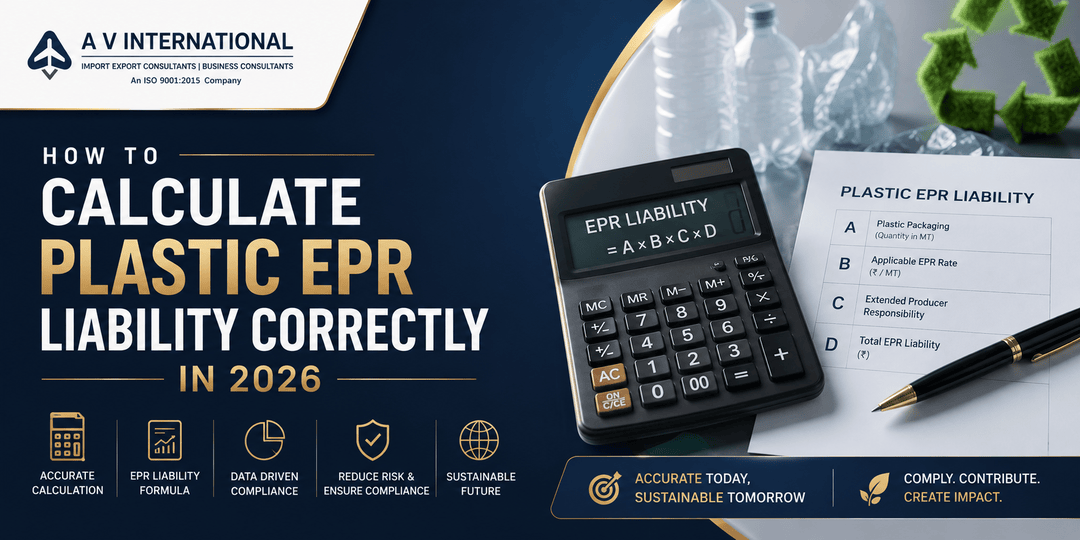
Plastic EPR Liability = Plastic Packaging Quantity × Applicable EPR Target (%)


Step 4: Calculate Category-Wise Liability

Example:

Category II Flexible Plastic Packaging Introduced:

100 MT

Applicable EPR Target:

80%

Liability:

100 MT × 80% = 80 MT

The business must generate or purchase EPR certificates equivalent to 80 MT.


Step 5: Match Liability with EPR Certificates

Businesses must obtain:

  • Recycling Certificates
  • EPR Credits
  • Waste Processing Certificates

from CPCB-authorized recyclers.

The quantity of certificates must equal or exceed the calculated liability.


Example of Plastic EPR Liability Calculation

Suppose a Brand Owner introduced:

  • Category I: 120 MT
  • Category II: 80 MT
  • Category III: 50 MT

Assuming an 80% compliance target:

Liability Calculation

Category I:

120 × 80% = 96 MT

Category II:

80 × 80% = 64 MT

Category III:

50 × 80% = 40 MT

Total EPR Liability

96 + 64 + 40 = 200 MT

The company must fulfill EPR obligations equivalent to 200 MT.


Common Mistakes in Plastic EPR Liability Calculation

Incorrect Category Classification

Many businesses place flexible packaging under the wrong category.

Excluding Imported Packaging

Imported packaged goods also contribute to liability.

Incorrect Weight Calculations

Using product weight instead of packaging weight creates inaccurate reporting.

Missing Sales Data

Incomplete sales records lead to incorrect obligations.

Wrong Unit Conversions

Kilograms and metric tons should be converted accurately.


How to Reduce Compliance Risks

To maintain accurate EPR calculations:

  • Maintain packaging-wise records
  • Conduct periodic internal audits
  • Track imports and domestic sales separately
  • Reconcile data before annual filing
  • Work with CPCB-authorized recyclers
  • Review category classification regularly

What Happens If EPR Liability Is Calculated Incorrectly?

Incorrect liability calculations can result in:

  • CPCB notices
  • Annual return discrepancies
  • Compliance audits
  • EPR registration issues
  • Environmental compensation charges
  • Delays in renewal approvals

Accurate reporting helps avoid unnecessary regulatory risks.


Practical Compliance Tips for 2026

  • Maintain monthly packaging consumption records.
  • Track category-wise packaging data.
  • Verify recycler certificates before purchase.
  • Reconcile EPR targets quarterly.
  • Monitor CPCB portal updates regularly.
  • Keep supporting documents for future audits.
  • Consult compliance professionals for complex calculations.

Frequently Asked Questions (FAQs)

What is Plastic EPR liability?

Plastic EPR liability is the quantity of plastic packaging waste that a business must manage under CPCB’s Extended Producer Responsibility framework.

How is Plastic EPR liability calculated?

Liability is calculated by multiplying plastic packaging introduced into the market by the applicable EPR target percentage.

Does imported packaging attract EPR liability?

Yes. Imported packaged products generally contribute to Plastic EPR liability.

Is EPR liability calculated category-wise?

Yes. CPCB requires separate calculations for each plastic packaging category.

What documents are needed for liability calculation?

Sales records, packaging data, import details, invoices, and product packaging specifications are commonly required.

Can wrong calculations result in penalties?

Yes. Incorrect reporting may lead to notices, audits, environmental compensation, or compliance actions.

Are EPR certificates mandatory?

Businesses must obtain valid EPR certificates or recycling credits equivalent to their liability.

How often should EPR liability be reviewed?

Quarterly reviews are recommended to ensure compliance throughout the year.


Internal Link Suggestions

  • Plastic EPR Registration Process in India
  • CPCB EPR Registration Guide
  • Plastic Packaging Categories Explained
  • EPR Annual Return Filing Process
  • EPR Certificate Purchase Guide
  • CPCB EPR Portal User Guide
  • Common Plastic EPR Compliance Mistakes
  • EPR Audit Preparation Checklist
  • Plastic Waste Management Rules Explained
  • CPCB Registration Rejection Reasons

Conclusion

Understanding how to calculate Plastic EPR liability correctly in 2026 is essential for every Producer, Importer, and Brand Owner operating in India. Accurate calculations help businesses remain compliant, avoid penalties, optimize EPR certificate purchases, and meet CPCB requirements efficiently.

By maintaining accurate packaging records, understanding category classifications, and monitoring compliance regularly, businesses can confidently fulfill their environmental obligations while reducing regulatory risks.

Need Professional Help with Plastic EPR Compliance?

A V International has more than 35 years of experience in regulatory registrations, environmental compliance, and business licensing services. Our team assists businesses with Plastic EPR Registration, liability calculation, annual returns, CPCB portal compliance, and EPR certificate management.

If you need assistance with Plastic EPR compliance in India, professional guidance can help you avoid costly mistakes and ensure smooth regulatory compliance.

FeATURED ARTICLES